
Santa Barbara, California, is a vibrant coastal city where sun-kissed beaches and a Mediterranean climate attract residents and visitors alike. With real estate prices high, many people choose to rent, and renters occupy approximately 60% of the city's occupied housing units. That makes landlord responsibilities for mold an important topic for both property owners and tenants.
Santa Barbara's coastal climate, marine layer, and winter rain can make moisture control especially important in rental homes and apartments. At Advanced Clean Air Solutions, we frequently hear from tenants experiencing health problems they suspect are related to mold exposure, as well as from landlords seeking to address these concerns on behalf of their tenants.

Mold Prevention and Landlord Responsibilities
Both landlords and tenants can take proactive steps to address mold and drainage issues. An ounce of prevention is worth a pound of cure, and this is particularly true for landlords. Preventing mold problems or detecting them early can reduce the potential for lost rental revenue, costly cleanup, and lawsuits.
Many property owners and managers are also unaware that persistent moisture can contribute to wood decay, including dry rot. Moisture-related damage can affect structural building components and, if left unchecked, result in costly repairs and repair bills.
Responsibilities and Proactive Measures
This guide explains landlord responsibilities for mold in Santa Barbara while also outlining the responsibilities of renters. We'll cover California law, practical considerations, and proactive measures that help maintain a safe and healthy living environment.
Whether you're a prospective tenant searching for a rental property near downtown, the Mesa, or the Eastside, or a diligent landlord committed to property maintenance, understanding mold prevention, disclosure, and remediation is important.
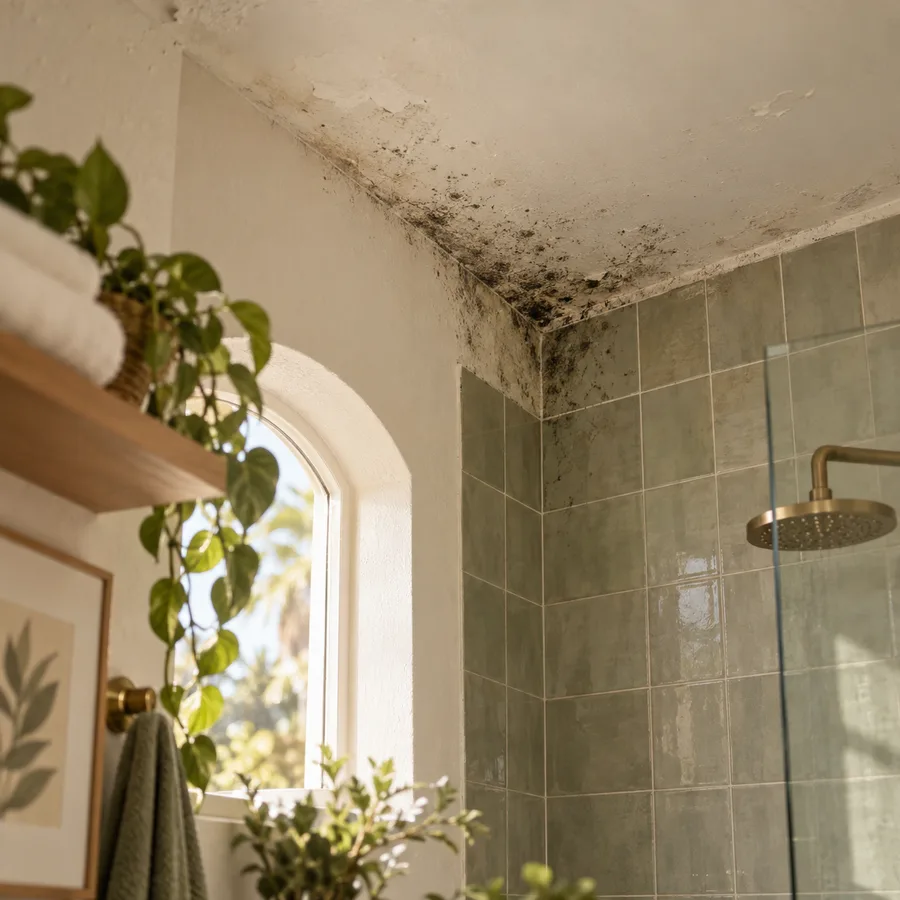
For Tenants:
- Report issues promptly: Report visible mold, water damage, leaks, faulty plumbing, or other moisture problems to your landlord or property management company as soon as possible. Written notice and photographs can help document the condition.
- Maintain cleanliness: Keep your rental unit reasonably clean, address spills promptly, and use available ventilation. Poor ventilation and indoor humidity can contribute to mold growth, but tenants are not responsible for correcting building defects or hidden water intrusion.
- Understand your rights: Learn about habitability, tenant rights, and the legal obligations that may apply when a mold problem affects your home. When in doubt, seek guidance from a qualified local housing resource or lawyer.
For Landlords:
- Regular inspections: Conduct regular inspections, following applicable notice requirements, to identify potential moisture problems around windows, walls, plumbing, bathrooms, and other areas before they become serious.
- Prompt repairs: Address reported water damage, leaks, faulty plumbing, and mold issues promptly. Where necessary, arrange professional mold remediation rather than simply painting over visible growth.
- Educate tenants: Inform tenants about the importance of reporting mold, water damage, and indoor moisture immediately, and provide practical prevention guidance.
Need more information about the legalities? Check out this overview of California law and landlord responsibilities in this article by Nolo.
Understanding Mold-Related Paperwork

Check Out California's Mold Information Booklet
California rental housing providers must give prospective tenants a state booklet about dampness and mold before they enter a rental or lease agreement. If a landlord knows about a mold problem that may affect the rental unit or pose a health risk, additional written information may also be required. The booklet explains visible mold, dampness, health risks, and practical prevention steps.
Before signing, prospective tenants should ask about any known water damage, visible mold, previous mold remediation, or related maintenance and repair records. Understanding landlord responsibilities for mold can help renters make informed decisions without treating the booklet as a guarantee that a property is mold-free.
Mold-Related Clauses in the Lease Agreement
Lease agreements often include clauses related to mold prevention and remediation. These clauses may describe the responsibilities of landlords and tenants, reporting procedures, notice requirements, and expected resolution timelines. Tenants should thoroughly understand these clauses before signing the lease.
Mold Addendum
In some cases, landlords may include a separate mold addendum alongside the lease agreement. This addendum can provide guidelines on preventing mold growth, reporting procedures, and the responsibilities of both parties for mold remediation. Tenants should keep a copy for reference.

Initial Property Inspection Report
Before moving in, tenants should conduct a thorough inspection of the property for existing mold, dampness, water damage, or other environmental hazards. While not an official form, documenting these findings through photographs and written notes is essential. Pay particular attention to windows, walls, bathrooms, and places where indoor moisture may accumulate. This inspection report can serve as useful evidence if mold problems arise later.
Maintenance and Repair Records
Landlords are responsible for maintaining rental properties in habitable condition, including addressing building-related mold and moisture issues promptly. Tenants should request and retain records of maintenance, inspections, repair bills, and mold remediation work when available. These records can be valuable in case of a complaint or dispute.
Tenant's Responsibilities
Tenants also play a role in mold prevention by using available ventilation, promptly reporting water leaks or moisture problems, and cleaning up spills. If tenants do not report moisture intrusion or resulting problems, they may be held responsible for damage they caused or allowed to worsen. However, tenants are not generally responsible for mold caused by faulty plumbing, roof leaks, structural problems, or other conditions outside their control.