

Emergency Mold Inspection? We'll Get You Scheduled Right Away

The water is gone, but the mold it started isn't.

Talk to an Inspector Today

What's Growing Now Is What You Breathe Tonight

You cleaned up the water and told yourself the worst was over. Part of you doesn't quite believe it. What you can see has stopped. What you can't see is just getting started, inside the wall you're standing next to, and in the air your family breathes tonight.

Wet drywall and framing trap moisture long after the surface feels dry, and that hidden moisture accumulation gives mold spores the 24 to 48 hours they need to take hold. Once they do, they ride your air into rooms the original water intrusion never reached.

And this is the part you can't stop thinking about. You can point to the stain on the ceiling, while the question that matters hides in the spaces you can't open.

Book now, while the material is damp and the trail is fresh, and testing catches the mold activity while it's small; wait three weeks, and the growth settles behind your walls, and the answer costs far more to act on.

Acting fast is the whole point. How fast mold takes hold comes down to warmth and moisture, and the water you just cleaned up handed it both.
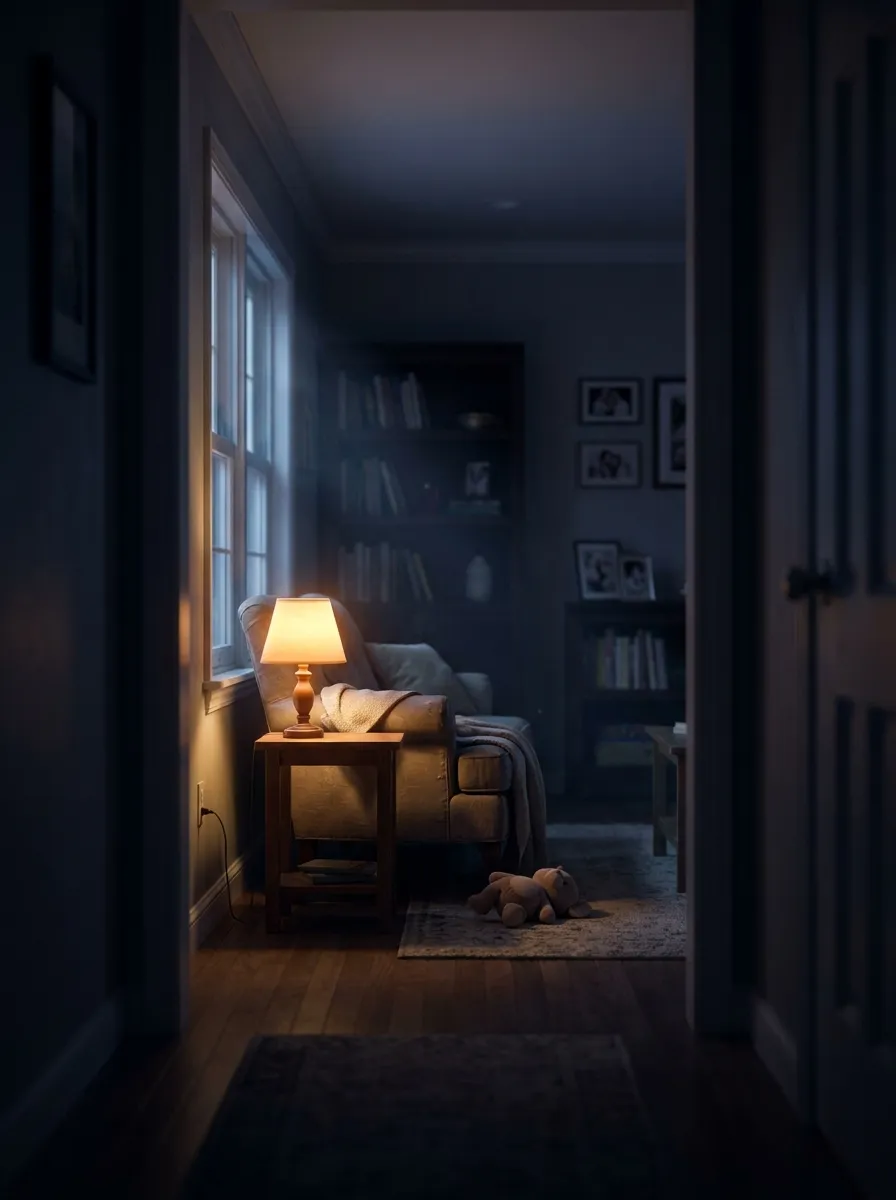
Living room affected by a nighttime water event, requiring emergency mold inspection

Two Clocks, One Race

The moment the water reached your walls, two clocks started running. You can feel one of them ticking, even as you tell yourself the cleanup is behind you.

The clock against you

Mold can begin growing on damp building materials within 24 to 48 hours. It won't wait for a convenient time to be discovered. If the moisture source remains, the affected area can continue to grow, making repairs more extensive over time. Meanwhile, airborne spores may travel beyond the original water-damaged area, which is why identifying the source early is so important.

The clock for you.

We respond quickly to emergency calls and schedule your inspection as soon as the home has been prepared for testing. Closing the home up for at least 20 hours before testing and turning air purifiers off helps ensure accurate results, so you get answers you can trust while the problem is still manageable.

Everything comes down to how quickly you respond. Book an inspection while the moisture is still fresh, and the problem stays small and contained. Let it sit, and the mold takes hold while that same wall becomes weeks of torn-out drywall and a climbing bill.

Six Moves Before We Arrive

While you wait for us, there is a short list of things that help.
None of them need special tools, and each one gives you something to do in a moment that feels out of your hands.

1

Stop the Water at its Source.

If you can still get to it, take steps to stop the water, even if that means a bucket under the drip or a tarp thrown over the roof.

2

Move What You Can Off the Wet Floor.

The things that soak up water and the things you would hate to lose.

3

Keep Anyone with Asthma or Allergies Out of the Affected Room.

Since the air in there is the part you cannot see.

4

Take Photos While Everything is Still Wet.

Because that proof fades fast and someone may need to see it later.

5

Leave the Hidden Spots Alone.

Pulling drywall or lifting carpet scatters mold spores and ruins the one thing worth measuring.

6

Preparation for Air Sampling.

Keep windows and exterior doors closed for 20 hours before your inspection, turn off air purifiers, and run heating or AC as usual for reliable results.

Start by scheduling your inspection. The sooner you call, the sooner we can guide you through the process, complete your inspection, and provide the information you need to make the most cost-effective decisions.

Book an Emergency Inspection

Reasons to Call Today, Not Next Week

A few problems can wait for a routine appointment.
These are not those. If any of them is sitting in your house tonight, the clock from a moment ago is already running.

Water Just Came In

A burst pipe or failed appliance let water into the house this week, and you are still tracing where it went.

The Smell Keeps Growing

A musty smell arrived fast after the leak, and it grows a little stronger every single time you walk back inside.

Someone is Getting Sick

A cough or a headache lifts the moment someone walks outside, then settles right back in once they come home.

Water Sank into the Walls

Flooding soaked into the drywall and subfloor, and the surface looks dry now, even though you know what waits underneath.

Someone Else Set the Deadline

Someone is waiting on documented results by a date you never picked, and that date is coming up fast.

Someone Fragile Lives Here

Someone under your roof has asthma or a fragile immune system, and you lie awake wondering what they breathe in.

Did you recognize your situation? If any of these scenarios sounded familiar, trust that instinct. When something doesn't feel right, it's worth getting the air tested. The sooner you know what's in your air, the sooner you can move forward with confidence.

You Don't Have to Become a Mold Expert Tonight

The hardest part of a water event is the pressure to understand mold overnight, while the floor is still wet and everyone in the house turns to you for the answer. You don't have to. That weight is ours to carry from the moment we walk in the door.

Your inspector evaluates the home for signs that support mold growth, then collects targeted air samples. Every sample is analyzed by an accredited laboratory. Nothing is opened or removed during the inspection, so your home remains undisturbed. With the laboratory results, you'll receive objective findings, a clear explanation of what they mean, and practical next steps. Instead of wondering what may be hidden in your home, you'll have the information you need to move forward with confidence.

An emergency visit brings the answer fast because the moment calls for it. When nothing is urgent, a standard Santa Barbara mold inspection runs the same testing at a pace you set.

We Answer Fast and Test It Right

Waiting days for a callback is its own kind of damage. The water sits, and the question of what is in the air trails you from room to room until it crowds out everything else.

So we move fast on the part we control. Call us, and you reach a real person the same day.

What most people miss is the prep. Good air testing needs the house closed for about 20 hours first, with the purifiers off, so the samples capture the air the way it settles inside a sealed home. Skip that step, and the numbers lie.

That short wait is the difference between a guess and a result you can put your name on.

The spores moving through your indoor air don't have to remain a mystery. From the day you call, you'll have a clear path forward, with prompt scheduling, evidence-based inspection, and testing performed the right way.

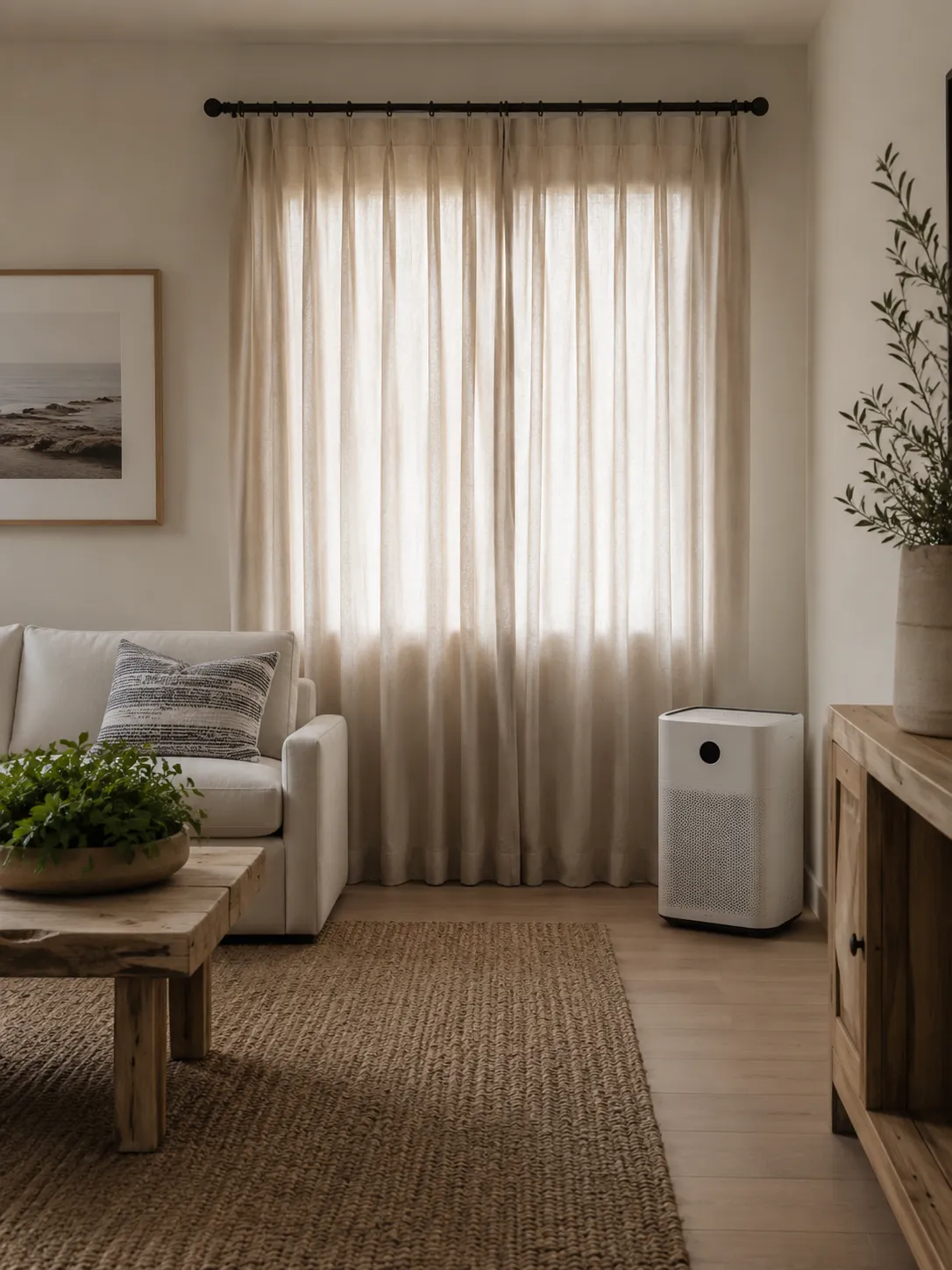
Air purifier running in a living room

Answers You Can Share with Confidence

Sometimes the reading is for you alone. Other times, it lands in front of someone who has no stake in your worry and every reason to question what you hand them.

The same inspection answers both. Samples are collected on-site under a sealed chain of custody and analyzed by a third-party lab accredited to ISO/IEC 17025, and every indoor reading is paired with an outdoor baseline.

We test, and we do nothing else. There is no remediation crew hoping to win the cleanup. That independence is the whole reason the result holds. Because we have nothing to gain from what the lab finds, the integrity of the result stays intact, and the person on the other side of your deadline can trust the number.

When the building is commercial, the list of people who need convincing grows longer. Our commercial mold inspection is built for that heavier scrutiny, where a single reading has to survive far more eyes.

Petri dish sample being analyzed for mold in a laboratory

Santa Barbara to Ventura: Close By and Easy to Reach

Being close is what lets us move fast. We run emergency mold inspections across Santa Barbara and Ventura Counties, and near Montecito, Goleta, Carpinteria, Ventura, Ojai, Solvang, and Thousand Oaks, so help is never more than a short drive from your door.

We also know this coast. The coastal humidity and the older construction along these towns change how moisture moves through a building and how fast a damp pocket behind a wall or under a crawl space turns to mold, so every reading we take is matched to the climate and the construction the samples came from.

Getting answers starts with a simple phone call. Tell us what happened, and we'll respond quickly to explain the next steps, answer your questions, and schedule your house mold inspection.

Advanced Clean Air Solutions van parked on a Santa Barbara street

Your Next Move Stops the Spread

Right now the answer is still small and reasonable enough to act on. Every day you wait, the mold settles deeper into the walls and the doubt sits heavier on you.

One call ends the guessing. You hand the worry to someone whose only job is to tell you the truth about the air in your home, and you get your night back. You have carried this since the water came in. Pick up the phone and set it down for good.

Talk to an Inspector Today

Request an Estimate

Frequently Asked Questions

We respond the same day and prioritize your booking. Valid air sampling requires a closed structure for about 20 hours first, with air purifiers off, so spore concentrations reach equilibrium and readings reflect true indoor conditions. That protocol still places your inspection within the 24- to 48-hour window when mold colonizes wet material, documenting it while contamination stays contained.

The trigger and the timeline. An emergency inspection follows an active water intrusion, the onset of mold-related symptoms, or a fixed documentation deadline. Because spore counts climb hour by hour in wet material, we expedite scheduling rather than assign the next routine slot. The distinction is urgency, measured against the biological clock that starts the moment materials get wet.

Yes. A few simple steps help ensure the most accurate results. Keep all exterior doors and windows closed for 20 hours before the inspection whenever possible, and turn off portable air purifiers during that time so indoor air conditions remain stable for sampling. Your heating and cooling system should continue operating as it normally would unless we advise otherwise. If you've experienced a leak or water intrusion, stop the source of the moisture if you can, move belongings off wet flooring, and avoid removing drywall, carpet, or other affected materials before the inspection. Seeing the conditions as they exist helps us determine the most appropriate testing strategy and identify the source of the problem.

Yes. We combine calibrated moisture meters with air sampling to locate hidden mold without demolition. Elevated moisture readings in drywall, framing, or insulation reveal where colonies take hold, while spore-trap cassettes measure what has entered the air. The structure stays intact, and the laboratory data still pinpoints the problem behind the surface.

We do need a responsible adult on-site to provide access to the property and approve the inspection before testing begins. It's helpful if that person is familiar with the building's history, especially any leaks, water intrusion, or areas of concern, since that information helps guide the inspection and sampling strategy. If you can't be there, we can gather the necessary background during a brief pre-inspection call, and a tenant, property manager, real estate agent, or another authorized representative can provide access, though we do need to be able to reach the decision maker by phone if something comes up. Once the laboratory results are ready, your inspector will review the findings and recommendations with you by video or phone, so you don't need to be on-site to receive your results.