
Mold – The word that might not seem scary at first, but it can cause serious problems for your health and your home. Lurking in damp corners and thriving in hidden spaces, mold poses a significant threat. At Advanced Clean Air Solutions, we prioritize your well-being and empower you to take control of your indoor air quality. This detailed guide will help you understand the essentials of mold inspection, equipping you with the knowledge to identify, assess, and address mold issues effectively.
Why Mold Inspection Matters?
Regular mold inspection isn't just about aesthetics; it's an important preventative measure. Mold thrives in damp environments, silently spreading and releasing spores that can trigger a range of health problems. Early detection is key to preventing these issues and minimizing costly remediation efforts.
Our certified inspectors at Advanced Clean Air Solutions possess the expertise and advanced tools necessary for a thorough assessment of your property. We go beyond surface appearances, identifying hidden mold growth and moisture sources to ensure a comprehensive evaluation.
Our Mold Inspection Process at Advanced Clean Air Solutions
A professional mold inspection with Advanced Clean Air Solutions follows a meticulous process:
Initial Assessment: Our inspectors conduct a comprehensive visual inspection, searching for visible signs of mold growth, water damage, and moisture intrusion.
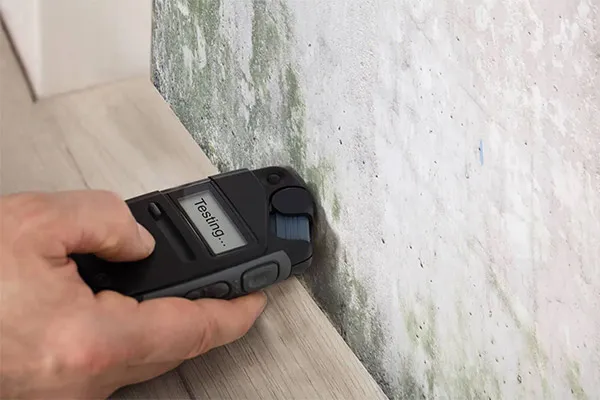
Unveiling Hidden Threats: Moisture Detection: Moisture is mold's lifeblood. We utilize moisture detection tools to pinpoint areas with high moisture levels.
Indoor Air Quality Testing: Air quality testing is an essential component, utilizing specialized equipment to detect airborne particulate matter, Volatile Organic Compounds (VOC's), humidity. and assess potential health risks.
Sample Collection and Analysis: We collect air samples from both indoor and outdoor environments to determine if the indoor mold situation is problematic. Since mold is naturally occurring, the outdoor sample provides a baseline for comparison. In areas where mold is visible or detectable by odor, we may also collect surface samples for laboratory analysis. Both air and surface samples are ssent to the lab and we will accurately identify the specific type of mold present and the extent of the mold growth.
The Inspection Report: Following the inspection, we provide you with a copy of the lab report, and a detailed inspection report outlining our findings, including the location and extent of any identified mold growth, along with recommendations for remediation (the remediation is not done by our company, but we can provide guidance and estimates from cost-effective and eco-friendly solutions). We will also talk about prevention strategies tailored to your specific situation.
Common Problem Areas:
Mold isn't picky about location, but certain areas create a perfect breeding ground:
Bathrooms and Kitchens: Prone to high humidity due to showering, cooking, and dishwashing. Poor ventilation increases the problem.
Basements and Crawl Spaces: Often damp and poorly ventilated, especially if there are foundation leaks or moisture issues.
Attics: Poor insulation or roof leaks can lead to condensation buildup, creating a haven for mold growth.
Areas Affected by Water Damage: Water damage events leave behind hidden pockets of moisture, perfect for mold colonization.
The Health Risks of Mold Exposure: Protecting Your Loved Ones
Exposure to mold spores can trigger a range of health issues, especially for individuals with compromised immune systems or respiratory conditions:
Allergic Reactions: Mold exposure can trigger allergic reactions like sneezing, runny nose, itchy eyes, and skin irritation.
Respiratory Problems: Mold spores can irritate the respiratory tract, causing coughing, wheezing, and difficulty breathing. In severe cases, mold exposure can exacerbate asthma symptoms.
Compromised Immune Systems: Mold can weaken the immune system, making individuals more susceptible to infections and illnesses.
Addressing the Problem: Mold Remediation
If mold is detected during your inspection, prompt remediation is essential. At Advanced Clean Air Solutions, we collaborate with a network of trusted partners who provide professional mold remediation services tailored to your specific needs. Our recommendations often involve demolition-free solutions, utilizing industry-best practices and safe, effective methods to remove mold colonies and restore your home's indoor air quality.
Prevention is Key: Keeping Mold at Bay
The old adage "prevention is better than cure" rings especially true when dealing with mold. By implementing proactive measures, you can create a less hospitable environment for mold growth:
Maintain Proper Ventilation: Ensure adequate ventilation, especially in moisture-prone areas like bathrooms and kitchens.
Control Humidity Levels: Invest in a dehumidifier to maintain consistent humidity levels below 60% throughout your home.
Address Water Leaks Promptly: Don't delay! Fix leaky faucets, repair damaged pipes, and ensure proper drainage around your foundation.
Regular Cleaning and Maintenance: Regularly clean and disinfect surfaces in moisture-prone areas.
Can I Use a Self Test Kit From The Store?
Do-it-yourself (DIY) mold test kits may seem like a quick and easy solution, but they have limitations. Here's a breakdown of the pros and cons to help you decide:
Pros:
Affordability: DIY kits are typically less expensive compared to professional inspections.
Convenience: readily available and can be used at your own pace.
Cons:
Limited Scope: Many at-home mold testing kits only detect the presence of mold without identifying the specific type. However, knowing the type of mold is crucial for effective remediation. In cases of toxic mold, rapid and accurate classification is essential, yet at-home kits lack this capability.
Accuracy Concerns: DIY kits can be prone to user error and may not collect samples accurately, potentially leading to false positives or negatives.
Hidden Growth Detection: Ineffective in detecting hidden mold growth behind walls or beneath flooring.
Our Recommendation:
While DIY kits can offer a preliminary check, a professional mold inspection by Advanced Clean Air Solutions is highly recommended for a comprehensive and accurate assessment. Our certified mold inspectors possess the expertise and advanced tools to thoroughly evaluate your property, identify hidden mold growth, and provide a clear picture of the situation.
Choosing the Right Test:
The specific type of mold testing we recommend depends on your unique situation and the suspected extent of the problem. Our experienced mold inspectors at Advanced Clean Air Solutions will assess your needs and recommend the most appropriate methods for a comprehensive evaluation.
We also partner with “Sporecyte Lab” https://sporecyte.com/, an environmental division of Techcyte, which utilizes cutting-edge technology for analyzing mold samples. This advanced platform provides us with faster, more detailed, and accurate mold identification compared to traditional methods.
Here's a breakdown of some common testing methods:
Air Sampling: Specialized equipment (an air pump) collects airborne particles, including mold spores, over a set period. The captured particles are then analyzed in a lab using microscopy to identify and quantify mold species present, aiding in assessing indoor air quality and guiding remediation efforts if needed.
Swab Sampling: This method entails using a sterile swab to collect a sample from an area displaying active mold growth. The swab is gently rubbed across the surface of the mold colony to capture spores and mycelium. The collected sample is then carefully transferred into a sterile container or sampling tube and sent to a laboratory for analysis. Once received, the lab technicians can culture the collected mold sample to identify the specific species present, as well as assess its concentration. This method is particularly useful for pinpointing the type of mold present and determining the severity of the infestation.
Moisture Inspection: Advanced moisture detection tools are used to identify areas with elevated moisture levels, and that helps us pinpoint mold.
Infrared Inspection: Thermal imaging technology can be used to detect hidden pockets of moisture and potential mold growth behind walls or beneath surfaces.
By understanding the different testing methods available, you can work with our professionals to choose the most suitable options for your specific needs.
Conclusion
By understanding the basics of mold inspection and taking proactive measures to address mold issues, you can safeguard your home or business from the harmful effects of mold. At Advanced Clean Air Solutions, we are dedicated to providing comprehensive mold inspection and remediation services tailored to your specific needs. Contact us today to schedule your mold inspection and breathe easier knowing your indoor environment is safe and healthy.