
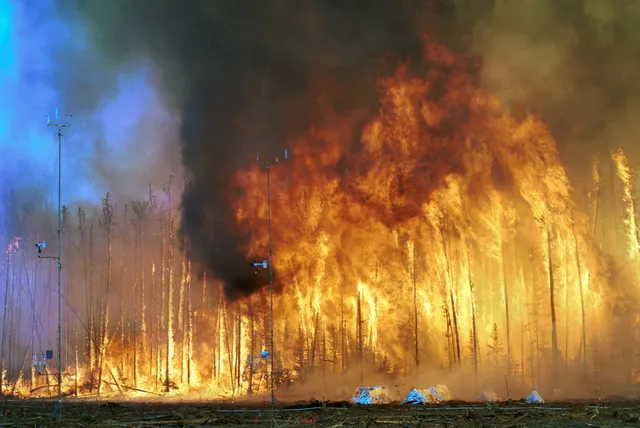
Battling the Blaze: Addressing Santa Barbara’s Wildfire & Smoke Season
Over the past decade, Santa Barbara County has seen a dramatic increase in wildfire activity, with over 500,000 acres burned. As we write this today, a new fire has erupted near Zaca Lake, devastating the lodge at Zaca Lake Retreat and spreading to the surrounding brush. This summer's intense heat and dry conditions are exacerbating the risk of fires. Factors such as prolonged drought, population growth, and climate change have collectively heightened the region's vulnerability to large-scale fires. At Advanced Clean Air Solutions, we recognize the urgent need for effective strategies to mitigate these environmental challenges and protect our communities.
Since the mid-1980s, the average total area burned by wildfires in the western United States has tripled from one million to three million acres. Additionally, twenty-seven times more Americans experience at least one day of extreme smoke per year than they did in 2006, according to the University of Washington. Wildfire smoke can now reach you wherever you live, affecting not only your body but also your brain. Here’s why wildfire smoke impacts mental health and what you can do to mitigate its effects.
Why Is Wildfire Smoke Particularly Concerning?
Wildfire smoke comprises water vapor, particulate matter (PM), carbon dioxide, carbon monoxide, and volatile organic compounds (VOC gases). However, there are three unique reasons that make wildfire smoke especially concerning:
1.Widespread Impact:
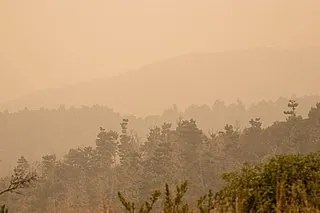
Wildfire smoke affects more people on a larger scale. According to experts interviewed in Science, while the chemical content of wildfire smoke may not always differ substantially from other types of smoke, wildfires are a unique kind of event by nature; the smoke can travel far and fast, cloaking urban areas in a toxic blanket visible from space.
2. Burning of Diverse Materials:
Wildfires burn more than just wood, producing a unique signature of impurities. Smoke from fires that burn through poison oak and poison ivy may contain irritants from those plants. Additionally, smoke can pick up chemicals from plastic and other human-made materials when wildfires burn through cities or housing developments.
3. Increased Harmfulness of Particulate Matter:
Researchers from the Scripps Institution of Oceanography at the University of California, San Diego, state that the tiny particles released in wildfire smoke are up to ten times more harmful to humans than particles released from other sources, such as car exhaust.
How Does Wildfire Smoke Affect the Brain?
The primary concern with wildfire smoke is PM2.5 (airborne particles smaller than 2.5 microns). PM2.5 can penetrate the blood-brain barrier, causing an immune reaction. Dr. Matt Campen of the University of New Mexico notes that neuroinflammation is the seed for various brain issues, including dementia, Alzheimer’s disease, altered neurodevelopment in early life, and mood disorders throughout life.
Dementia
A national study on PM2.5 exposure in older Americans discovered that 15% of the study’s 27,857 participants developed dementia. Those exposed to greater concentrations of PM2.5 were more likely to be among the 15%, with PM2.5 from wildfires playing a significant role.
Cognition
Wildfire smoke can affect cognition immediately. Research shows that wildfire smoke reduces cognitive performance within hours, especially in young adults. Dr. Campen found that wildfire-triggered inflammation affects the hippocampus, the brain region associated with learning and memory, altering neurotransmitters and signaling molecules.
Mood Disorders & Mental Health
Wildfires are stressful events, but the neurological damage from the smoke may exacerbate mental health issues. A study published in Scientific American found that after a massive wildfire smoke event in Southeast Asia, locals reported mild psychological stress, which was worst in those with more physical symptoms from the smoke and those who perceived the air quality to be dangerous.
How to Protect Yourself from the Mental Effects of Wildfire Smoke
Here are four ways to protect yourself from the effects of wildfire smoke:
1. Stay Indoors on Smoky Days:
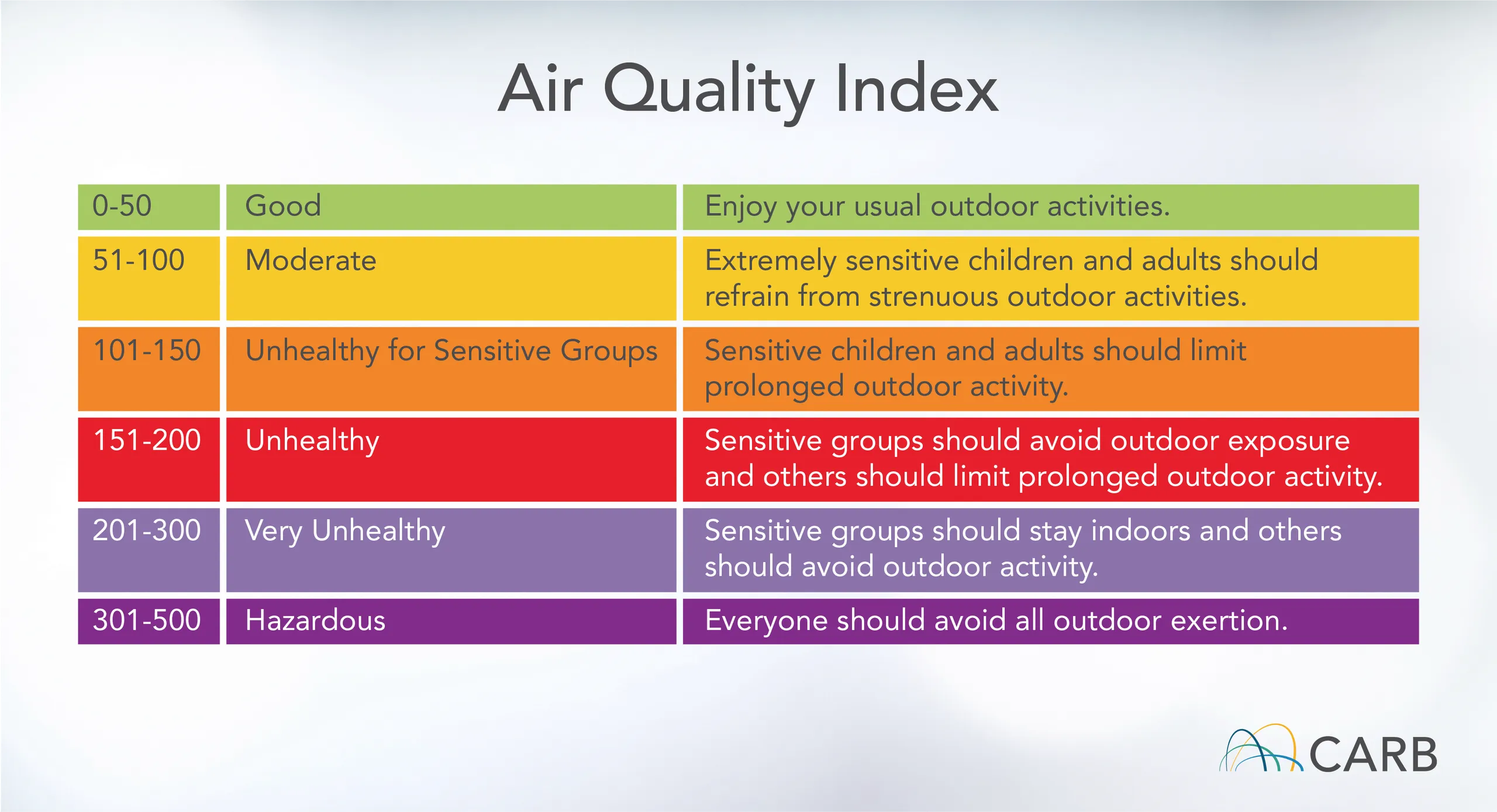
You can experience the effects of wildfire smoke even if it's not visible. Check the Air Quality Index (AQI) in your area for guidance. The AQI summarizes air quality as one of six color-coded ranges, indicating when individuals should reduce or eliminate outdoor activities.
2. Adjust Ventilation:
Ensure your ventilation settings are correct. Set your AC to cycle air from indoors rather than drawing it from outside, especially on hot, poor air quality days.
3. Use the Correct Mask:
If you must go outdoors, wear a well-fitted N95 or P100 respirator with two straps that go around your head.
4. Find the Perfect Air Purifier with Advanced Clean Air Solutions
Few homes are completely airtight, and even those that are near airtight need to bring in some outdoor air—regardless of the conditions outside. This is especially challenging during wildfire seasons when HVAC systems can be strained by high-grade filters, inevitably allowing some wildfire smoke to infiltrate your home. That's where free-standing, portable air purifiers come in.
For optimal protection, purifiers should support High-Efficiency Particulate Air (HEPA) filters, which capture particulate matter at 99.97% efficiency or better. If your purifier also includes an activated carbon screen, it can capture VOC gases as well. When you pair these technologies with an ActivePure cell, VOC gases are proactively inactivated, along with viruses, bacteria, and mold spores.
Why Choose an ActivePure Air Purifier with a Carbon Filter Over a HEPA-Only Model from a Chain Store
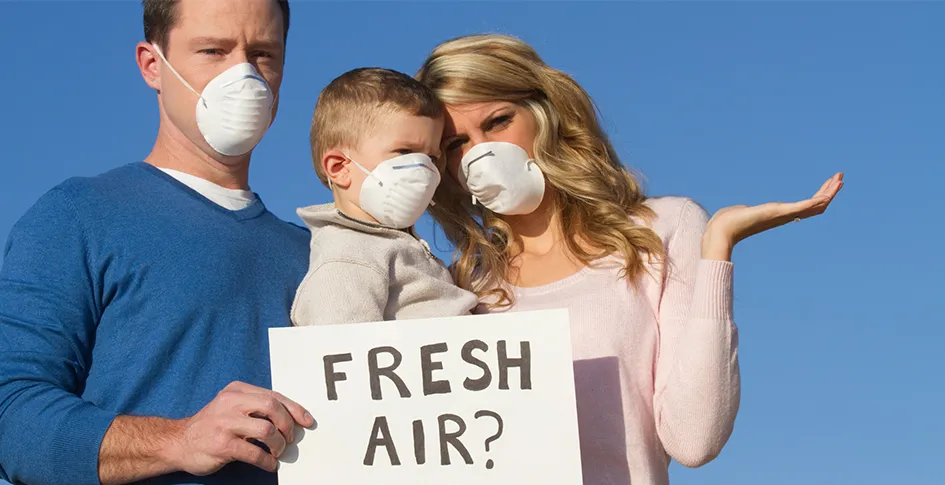
Simply put - ActivePure has more protection against a wide variety irritants and allergens and is the best choice to protect indoor spaces.
ActivePure brings a holistic approach - A combination of HEPA filtration, carbon filtering, and ActivePure technology ensures that your indoor air is not only free from particles but also from harmful gases and pathogens, leading to overall improved air quality.
1. HEPA Filters excel at Particulate Matter Capture: HEPA filters are highly effective at capturing particulate matter, including dust, pollen, and smoke particles, with an efficiency of 99.97% for particles as small as 0.3 microns. However, more layers of protection are needed for air quality concerns around wildfire or mold. That's why we recommend ActivePure.
2. Carbon Filters are key for VOC Removal: Carbon filters excel at removing volatile organic compounds (VOCs), odors, and chemical pollutants that HEPA filters cannot capture. This is crucial for improving indoor air quality, especially during wildfire seasons when harmful gases can infiltrate your home.
3. ActivePure Technology - Proactive Air Purification: ActivePure goes beyond passive filtration by actively purifying the air. It neutralizes contaminants such as VOCs, viruses, bacteria, and mold spores, providing a level of protection that HEPA filters alone cannot achieve. Interested in how it works? Check out this video and pay special attention to the explanation at the 50-second mark, where it describes how ActivePure mimics natural processes to clean the air.

Enhanced Health Benefits
- Healthier Environment: ActivePure technology addresses a wider range of pollutants and allergens, creating a healthier indoor environment. This is particularly beneficial for individuals with respiratory issues, allergies, or sensitivities.
Efficiency and Effectiveness
- Superior Performance: While HEPA-only models are effective for particulate matter, they do not address the full spectrum of indoor air pollutants. The addition of carbon filters and ActivePure technology ensures a more comprehensive purification process.
- Reduced Health Risks: By removing a broader range of contaminants, an ActivePure air purifier can help reduce health risks associated with poor air quality, such as respiratory illnesses, allergies, and even cognitive issues related to long-term exposure to pollutants.
Customer Satisfaction and Trust
- Trusted Technology: ActivePure technology is backed by extensive testing and numerous satisfied customers worldwide, offering peace of mind that you are investing in a reliable and effective air purification solution.
- Personalized Solutions:Advanced Clean Air Solutions provides expert guidance to help you find the right purifier for your specific needs, ensuring optimal performance and air quality in your home.
Choosing an air purifier with HEPA, carbon filters, and ActivePure technology offers superior protection and peace of mind compared to a HEPA-only model from a chain store. Contact Advanced Clean Air Solutions to find the perfect air purifier for your home today.
As wildfire smoke continues to become more prevalent, ensuring that our indoor air is clean and safe is vital. ActivePure doesn’t just combat wildfire smoke; it's also great for tackling mold issues, ensuring comprehensive air purification.
Trust ActivePure to establish clean air in your home.
Contact our air quality experts at Advanced Clean Air Solutions to find the right solution for your needs today. 📞(805) 678-8935