
Know Where the Water Is With Moisture Mapping

Turn a stressful guessing game into a clear plan for your home's air.

Book Your Moisture Mapping (805) 678-8935
Better Business Bureau A+ RatingHomeAdvisor Screened & ApprovedCCMI CertifiedCRMI CertifiedWoman Owned

Your Home's Moisture, on Paper

A moisture map tells you where the water is sitting, how far it's reached, and what it's doing to your walls. We measure moisture in the walls, ceilings, and floors, then mark where it's normal, where it's high, and where it's creeping somewhere it shouldn't.

What you get back is a picture you can point to. The damp corner that's bothered you for months turns into a spot on a diagram, with a number beside it and a good idea of what's behind it.

Most people come to us after a long run of half-measures, like a fresh coat of paint or a dehumidifier running around the clock. The map ends that loop. You see the source once, and you decide.

Get a Clear Read on Your Home

The Hardest Part Is Not Knowing

You noticed it before you could name it. Maybe paint that keeps bubbling in the same spot, or a damp smell that drifts back whenever the weather warms up. You can't tell if it's a real problem or just an old house doing old house things. So you let it ride, promising yourself you'll look into it after the next big rain, and the question keeps tugging at you until then.

That kind of not-knowing wears you out. You catch yourself bracing for bad news, doing the math on what's behind the wall and what it might cost to find out. None of it gets you any closer to an answer. The worry just keeps going in circles.

What you want is simple. You need to know what's going on in your home, where it's coming from, and what to do about it.

If This Sounds Like Your Home…

Moisture mapping fits the slow, nagging situations that never quite explain themselves. It also fits the moments where you need a clear record before making a decision.

Unexplained Indoor Symptoms

Someone in the house has been more congested than usual, or waking up with headaches, and the source isn't clear.

A Smell You Can't Trace

There's a smell in one room that keeps coming back, and nothing you've cleaned or aired out has made it go away.

Water That Didn't Fully Leave

A past leak got patched, or a storm passed through, and you've never been sure how far the water went.

Buying or Selling a Home

You want to know what you're walking into, or what the buyer is seeing. A map gives both sides a clean record.

Before a Renovation

Knowing where the moisture sits before you open any walls keeps the project from chasing the problem. It sets the scope first.

A Rental with Recurring Complaints

When the same complaint keeps coming back, moisture mapping gives you a documented answer and a clear record.

When you want a closer look at what a damp spot has become, a house mold inspection picks up where the map leaves off.

Two Ways to Live With This

Knowing comes down to a choice, and right now you're on one side of it. You can keep living with the question, hoping it stays small. Or you can trade the question for a map.

Living with the question

  • You tense up every time it rains.
  • You guess which wall to open first.
  • You're stuck between three opinions.
  • The worry runs on a loop.
  • You find out the hard way, later.

Living with the map

  • You know what the rain reaches and what it leaves alone.
  • You open the one wall that matters.
  • You have one record everyone can read.
  • You make the call and move on.
  • You find out now, and for good.

Same house, same damp corner. The only thing different is that you stopped guessing.

Water Travels Farther Than the Stain

Water almost never stays where it gets in. It takes the easiest path through the materials your home is built from, wicking along a stud and sinking into whatever cavity will hold it. By the time a stain reaches a wall you can see, the water has moved well past it. These are the spots a moisture map reads and the eye walks by.

Wall Cavities

The hollow behind the drywall gathers water that wicked in from somewhere else. The meter reads high while the paint still looks fine.

Insulation

Insulation soaks up water and holds it like a sponge. It feeds damp back into the wall for weeks after the leak itself has stopped.

Subfloor and Joists

Water pools under tile or laminate and sinks into the wood below. Nothing shows on top while the layer underneath stays wet for days.

Baseboards and Trim

Wicked water settles in a low band at the foot of a wall. The map catches that line before it swells the trim or lifts the paint.

Sill Plates

The wood that anchors the frame to the foundation wicks water up from the slab. It reads wet at the base long before any damage climbs into view.

Cold Surfaces

Vapor drifts to the coolest spot in a room and condenses there. The damp reading lands far from any leak, on a surface no water ever reached.

Every one of these reads normal to the eye and high to a meter. That gap is the reason the service exists. Moisture mapping follows the water back from where it surfaced to where it entered, so the repair lands on the source that started it. Water on the move becomes mold on a clock, and a leak from this week earns an emergency mold inspection while the trail is still fresh.

Why the Coast Hides Water So Well

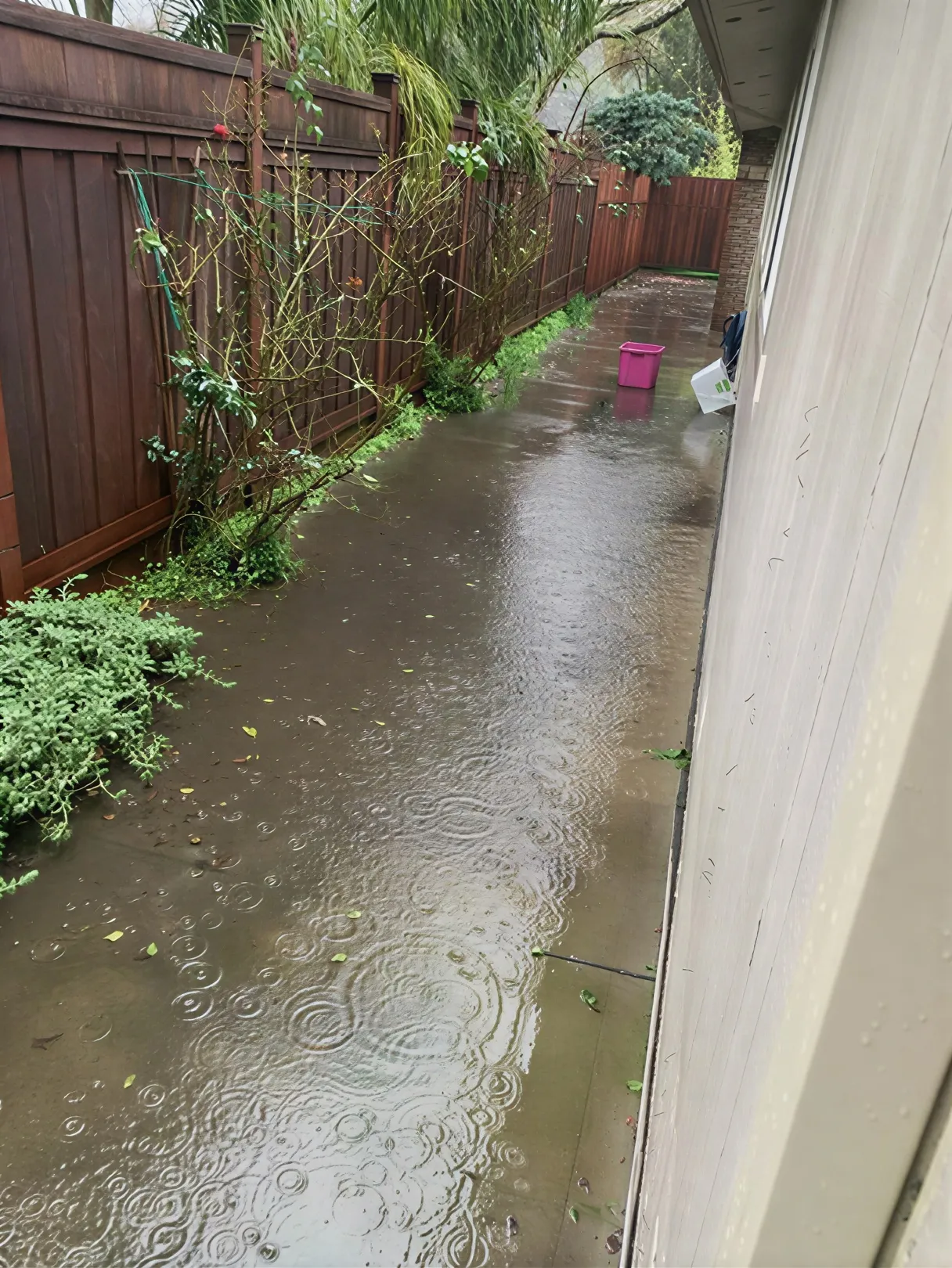
Most people who call us have already tried something, like a fresh coat of exterior paint or a dehumidifier running through the wet season. And then the stain reappeared in the same corner. That's not bad luck; it's how the coast works. The marine layer pushes moisture into your walls every morning, and the salt air works at every surface it touches year after year.

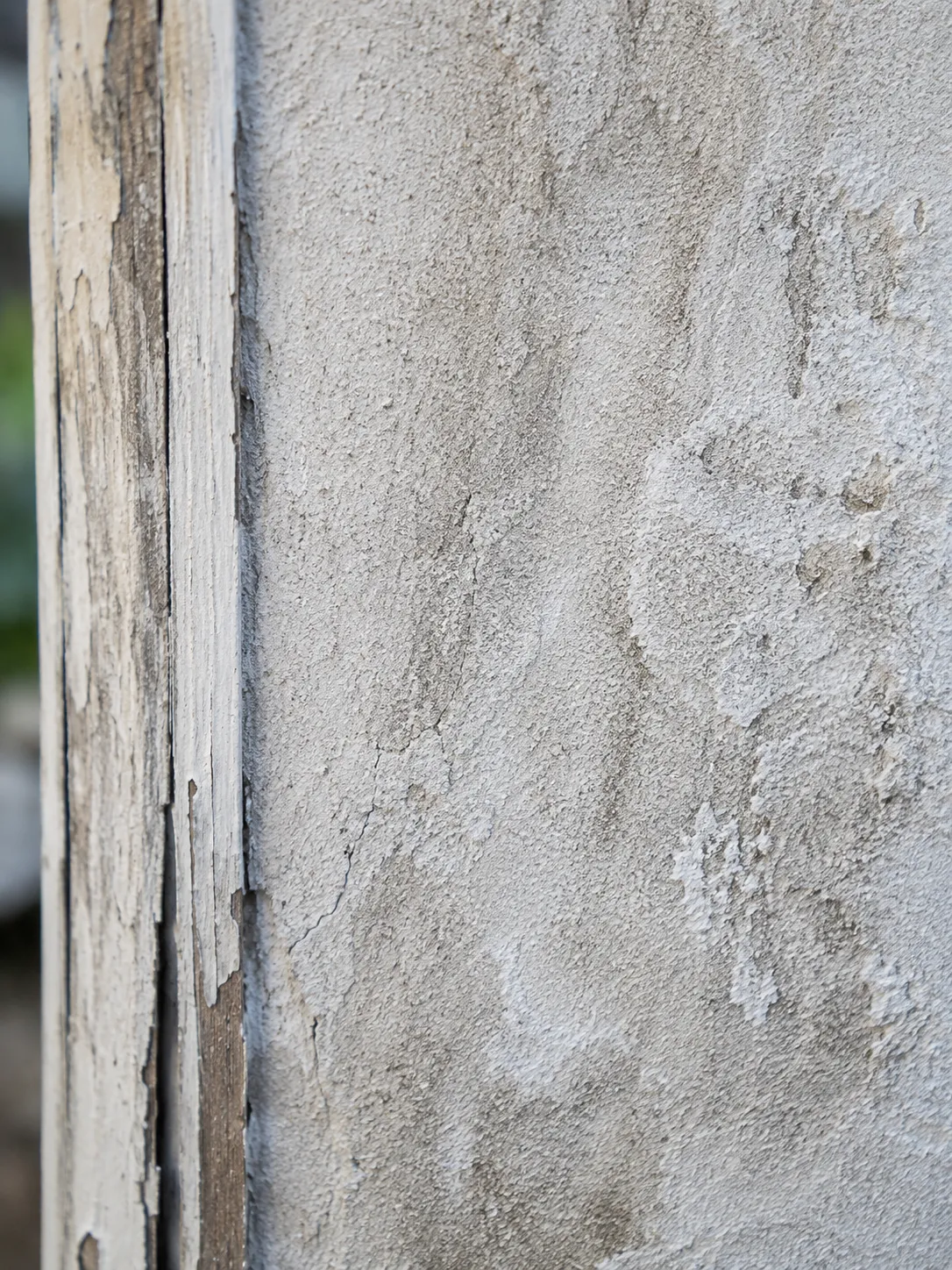
Then there's the way these homes are built. Older stucco and slab foundations that sit close to groundwater sources, plus framing that's weathered decades of salt and fog, all hold damp in places you'd never think to check. Water settles into the materials and stays, feeding slow moisture damage and the conditions that lead to mold growth.

We map homes up and down this coast, so we know where the water likes to hide and how fast a damp pocket can turn. How long it takes for mold to grow comes down to warmth and time, and this coast offers plenty of both.

3 Steps to Getting an Answer

Booking moisture mapping should feel like handing off a worry. Here's how the day goes, from the first call to the moment you get your answer.

1

The Call

You tell us what you've noticed and everything you've already tried. We listen, ask a couple of questions, and find a time that works for you.

2

The Visit

An inspector walks the rooms that worry you, and nothing gets cut or drilled. Your walls stay just as they are, so you can follow along or carry on.

3

The Answer

We turn what we found into a plain map of your home and walk you through it. You see where the moisture sits and what's behind it before you decide.

By the end, the thing that kept you up at night is something you can hold in your hands and point to. The guessing is over.

Independent by Design

Here's what makes us distinctive. Moisture mapping is its own craft, a careful read of how water moves through a home, and we built Advanced Clean Air Solutions around doing that one thing well.

A Focused Craft

We inspect. We don't remediate, contract, or refer you to a sister company. Every visit is about one thing: giving you a clear read of what your home holds.

A record you own

Our work begins and ends with the findings. We document what the moisture is doing and hand you a record that's yours, free to use however you choose.

Clarity You Can Trust

You get a plain account of what your walls hide, in language that needs no decoding. It gives you the confidence to make your next move.

If you also manage a commercial property and the same question keeps coming back, our industrial mold inspection applies the same process to larger spaces.

Talk to an Inspector

When You're Ready, We Will Be

The worry you started this page with isn't going to solve itself. You already know that. Every patch, every coat of paint, every dehumidifier cycle taught you the same thing: you can manage it, but you can't move past it without knowing what's there.

One visit changes that. You get a map of what your walls are holding, where the moisture sits, and what it means. When you're ready, reach out. Tell us where it started, and we'll take it from there.

Schedule Moisture Mapping

Request an Estimate

Frequently Asked Questions